
Featured Cannabis Equipment Brand in Colorado: LĒVO Oil Infusion
- Colorado Cannabis
- Featured Cannabis Equipment Brand in Colorado: LĒVO Oil Infusion
LĒVO Oil Infusion, Inc. is a Denver-based equipment company that designs countertop appliances for making cannabis-infused oils and butters. The machines are often called the levo infuser or levo oil infuser, and they are used by consumers who prefer to make small batches of THC edibles at home rather than rely on packaged products. The company was founded in 2017 by Chrissy Bellman with the goal of simplifying infusion for everyday cooks who wanted more control over flavor, strength, and ingredients. LĒVO sells worldwide, with authorized sales in the USA, Canada, Spain, Italy, Germany, and France.
While LĒVO markets its tools for general herbal use, the strongest interest comes from people who infuse cannabis into butter, coconut oil, MCT oil, honey, and similar bases. This article focuses on that use, since it is the most relevant for readers of ColoradoCannabis.org.
A Colorado Product Designed Around Cannabis Infusion
The LĒVO infuser grew from a common problem. Traditional cannabis infusion requires multiple steps, such as oven decarboxylation followed by stovetop heating. These steps can be messy and time-consuming, and they often produce strong odors. Many people in shared homes prefer a quieter method that does not fill the kitchen with the smell of heated cannabis.
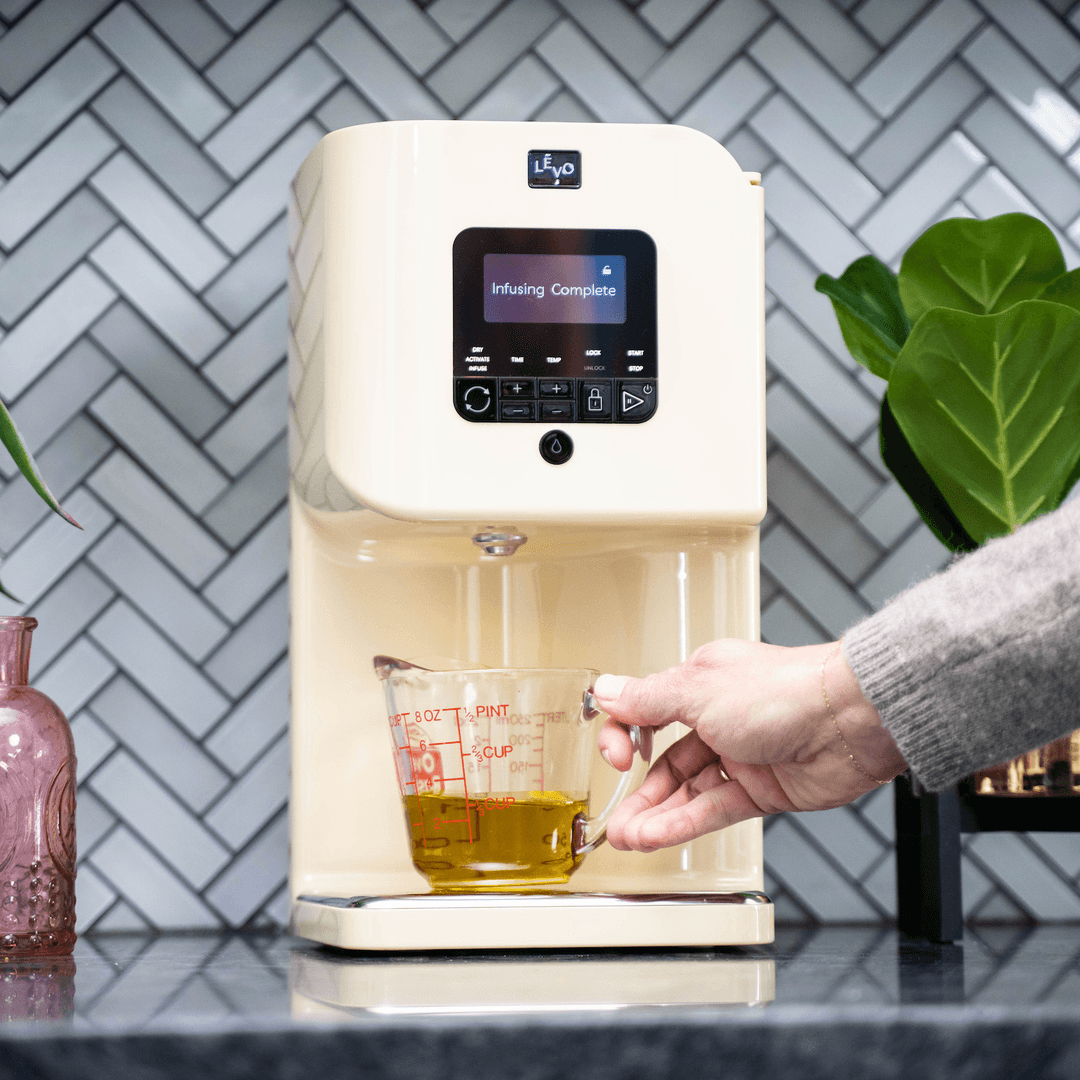
LĒVO combined decarboxylation (decarb) and infusion into a single device. The machine runs preset cycles that dry the flower, activate THC, and then infuse it into a liquid of the user’s choice. The sequence may help home cooks who want to keep things simple. It also offers a more consistent process than improvised methods.
Models for Different Batch Sizes
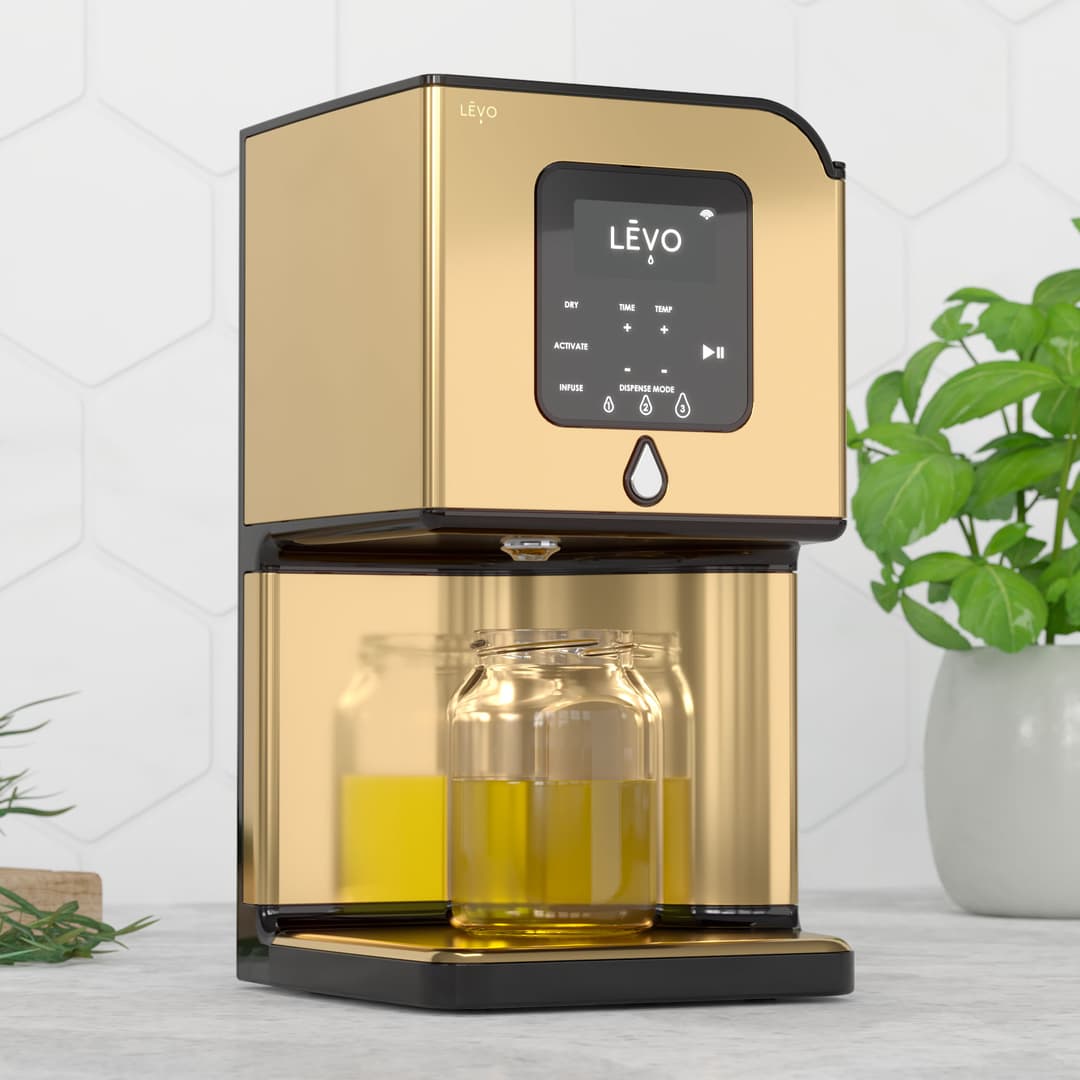
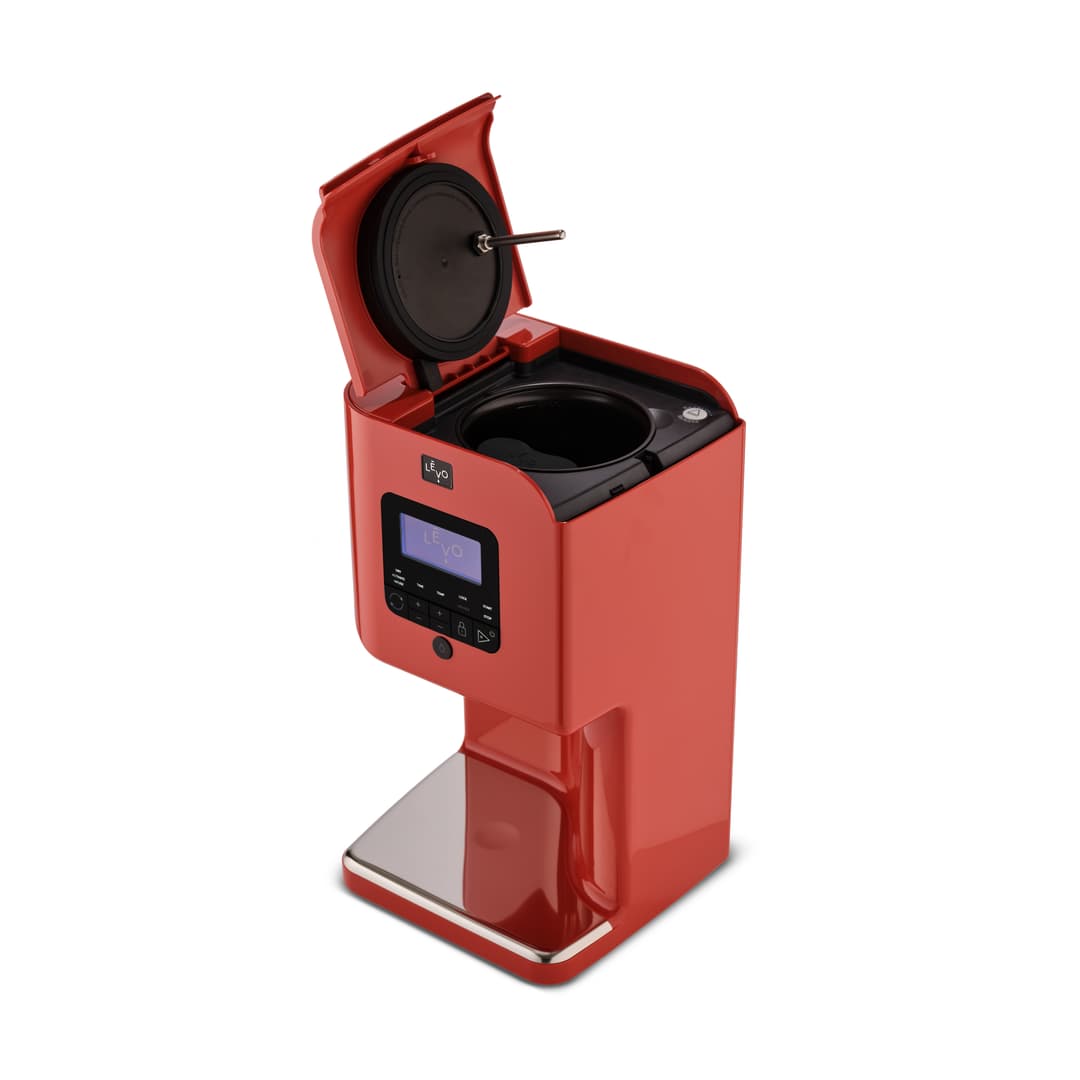
LĒVO currently sells three models: LĒVO II+, the LĒVO Lux, and the LĒVO C. The II+ and Lux prepare small personal batches, often enough for a week or two of edibles. They hold up to about 7 grams of cannabis and roughly 16 fluid ounces of oil.
The LĒVO C handles larger amounts. It can process up to 28 grams of cannabis and more than 30 ounces of liquid. This makes it more suitable for small batch producers, home bakers who cook often, or shared households that go through many edibles each month.
Each model includes cycles labeled:
- Dry,
- Activate,
- Infuse.
Users may adjust temperature and time if they want more control. These settings matter because they influence decarb and extraction rates, which can shape the final potency of the infused base.
How Long Does LĒVO Take to Infuse?
The answer depends on the model and temperature setting. Most standard cycles take several hours. The Activate cycle often runs for about an hour and a half, and infusion commonly lasts between two and eight hours depending on the oil. Some users shorten the process. Others prefer a slow, low-heat cycle when they want a milder flavor.
The built-in ranges are meant to protect the oil from scorching. They also reduce the chance of over-decarbing, which may affect the final result. These presets give people a starting point. Home cooks still need to track their own potency, serving size, and recipes.
A free LĒVO app includes a time and temperature calculator to help users plan and optimize the infusions.
How Users Describe the LĒVO Experience
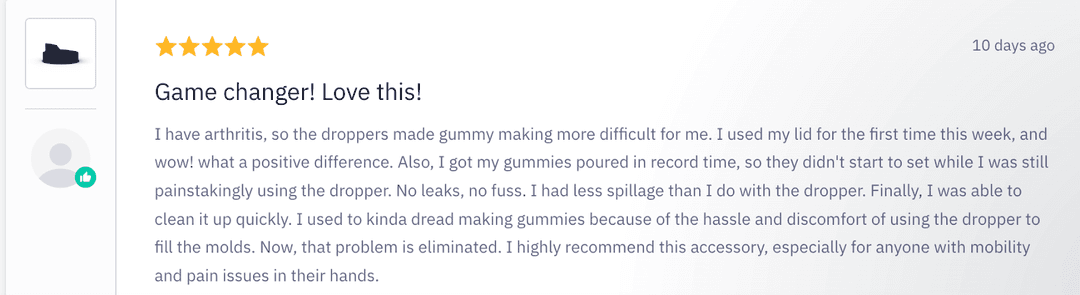
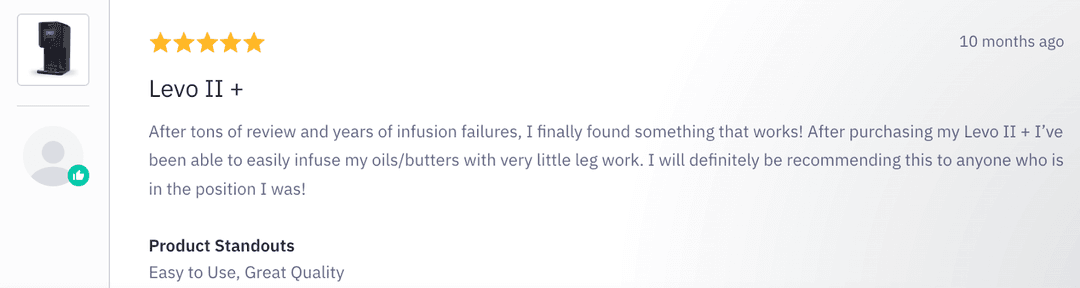
LĒVO reviews on forums and social sites often highlight the same points. People like the small size, the low odor, and the fact that they do not need extra tools. Many users note that the aroma is lighter than oven decarboxylation, which can fill a home quickly. Still, some smell is present, especially during the Activate cycle, when cannabis is heated to convert THCA to THC. Several users mention that the scent tends to stay near the machine and fades more quickly than with stovetop methods.
One user who wrote a six-month review described the process as “hands off” and said the decarb cycle produced almost no smell until the lid was opened. That review also noted that the butter came out smoother and less grassy than with a crockpot attempt.
Dosing and Potency for Colorado Edible Makers
Colorado cannabis shoppers often buy regulated flower with printed THC percentages. They then use those numbers to estimate how strong their infused oils will be. The levo oil infuser does not measure potency directly, but it offers enough control over heat and time to help users make consistent batches. LĒVO also provides a potency calculator in its app. Some consumers pair the machine with third-party tools such as the tCheck spectrometer for a more refined estimate.
Even with these tools, home cooks still make judgment calls. One person may prefer a high-strength butter for gummy molds. Another may want a mild blend for cooking savory dishes. The machine only sets the conditions. Users decide how to portion servings and how much flower to start with.
Materials, Certifications, and Safety
LĒVO machines use food-grade materials and go through several safety tests as part of the manufacturing process in the Philippines. Certifications include ISO, ETL, FCC, and IC. Preset temperature limits help protect oils from breaking down under heat. The closed lid reduces vapor release, which may appeal to people in apartments or shared homes.
While these features add structure, they do not remove the need for attention. Oils can degrade if heated too long, and cannabis can lose aroma under high heat. Users who want very strong terpene flavor sometimes adjust cycles to keep temperatures on the lower end of the recommended range.
Support, Lessons, and Step-By-Step Guides
LĒVO provides detailed user manuals, help desk, short instructional videos, and a “Masterclass” course. Users can message support by text, chat, or email. Many LĒVO reviews mention that customer service replies within a reasonable time, though expectations differ by user.
Recipes on the site cover small-batch gummies, brownies, oils, and honey. These guides appeal to beginners who may feel unsure about time and temperature choices. Some users write that the machine encouraged them to cook more often and gave them a reason to experiment with new recipes.
Contacts
LĒVO customer supports can be reached at support@levooil.com or via text at 720-649-4771, Facebook, and Instagram.
Colorado’s Edibles Culture and LĒVO’s Place in It
Colorado’s cannabis market includes many packaged edibles sold in dispensaries. At the same time, there is strong interest in home cooking. Some people prefer to avoid unknown ingredients or want more say over strength and portion size. Others simply want edibles that cost less per serving than store-bought options.
LĒVO sits between these habits. It does not replace commercial extraction, and it is not meant for industrial kitchens. It is a countertop appliance that helps people make infused oil with more structure than a pan on the stove. For home cooks, that may be enough.
Company Roots and Local Work
LĒVO designs its machines in Colorado and keeps most of its product development work in Denver. Manufacturing takes place in a partner facility overseas, but many consumable parts and collaborations remain in the United States.
Looking Ahead
LĒVO plans to update its machines and expand accessories based on requests from regular users. Customer suggestions shape much of the roadmap, including calls for faster cycles, new materials, and specialized tools for making gummies or skincare infusions. Some of these updates are expected in 2026.
For Colorado cannabis consumers who want to prepare edibles at home, the LĒVO oil infuser offers a controlled way to experiment. It may not replace licensed manufacturing, but it gives users a clean method to turn regulated flower into infused oil and butter in small kitchens without much oversight. The brand’s local roots and steady presence in LĒVO reviews suggest it is likely to remain part of Colorado’s home-edible scene for some time.